As Tractor-Trailer Underride Accidents: Seeking Justice for Catastrophic Injuries takes center stage, this opening passage beckons readers with casual formal language style into a world crafted with good knowledge, ensuring a reading experience that is both absorbing and distinctly original.
Tractor-trailer underride accidents can have devastating consequences, leading to catastrophic injuries and loss. Understanding the complexities of these accidents is crucial in seeking justice and ensuring safety on the roads. This article delves into the various aspects of tractor-trailer underride accidents, shedding light on legal implications, safety regulations, impact on victims and families, and technological innovations aimed at prevention.
Introduction to Tractor-Trailer Underride Accidents
Tractor-trailer underride accidents are a type of collision where a smaller vehicle slides under the rear or side of a large truck or tractor-trailer. These accidents are particularly dangerous due to the potential for the smaller vehicle’s passenger compartment to be crushed or sheared off, leading to catastrophic injuries or fatalities.
Common Causes of Tractor-Trailer Underride Accidents
Tractor-trailer underride accidents can be caused by various factors, including poor visibility in inclement weather conditions, driver fatigue, distracted driving, or sudden braking by the truck driver. Additionally, inadequate lighting on the truck or trailer, as well as improper maintenance, can contribute to these accidents.
Severity of Injuries Associated with Tractor-Trailer Underride Accidents
The injuries sustained in tractor-trailer underride accidents are often severe and life-threatening. Victims may suffer from traumatic brain injuries, spinal cord injuries, internal organ damage, or limb amputations. The high impact forces involved in these accidents can lead to long-term disabilities and significant emotional trauma for survivors and their families.
Legal Implications and Challenges
When it comes to tractor-trailer underride accidents, navigating the legal framework can be complex and challenging for victims seeking justice for catastrophic injuries. These accidents often result in devastating consequences, making it crucial to understand the legal implications and obstacles that victims may encounter.
Legal Framework Surrounding Tractor-Trailer Underride Accidents
Tractor-trailer underride accidents fall under the jurisdiction of personal injury law, specifically focusing on negligence and liability. In these cases, victims may need to prove that the truck driver, trucking company, or another party acted negligently, leading to the accident and resulting injuries.
This can involve investigating factors such as driver fatigue, improper maintenance of the truck, or violations of traffic laws.
Challenges Victims Face in Seeking Justice
Victims of tractor-trailer underride accidents often face numerous challenges when seeking justice. These challenges can include dealing with powerful insurance companies and legal teams representing the trucking industry, who may try to minimize the victim’s claim or shift blame. Additionally, the complexity of trucking regulations and the need for expert testimony can make the legal process daunting for victims already dealing with severe injuries and emotional trauma.
Recent Legal Developments and Precedents
In recent years, there have been some important legal developments and precedents related to tractor-trailer underride accidents. For example, the passage of underride protection regulations by the National Highway Traffic Safety Administration (NHTSA) has aimed to improve safety standards for trucks and prevent underride accidents.
Additionally, court cases involving significant settlements for victims of underride accidents have set precedents for holding trucking companies accountable for their negligence.
Safety Regulations and Standards
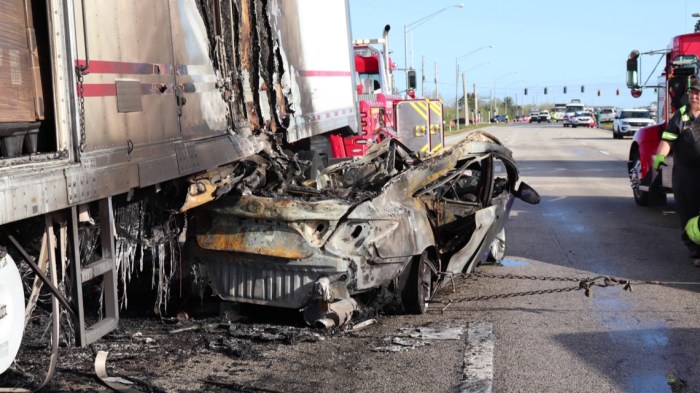
Tractor-trailer underride accidents are a serious concern on the roads, leading to catastrophic injuries and fatalities. To address this issue, safety regulations and standards have been put in place to prevent such accidents and protect motorists.
Existing Safety Regulations and Standards
- The Federal Motor Carrier Safety Administration (FMCSA) in the United States has regulations in place that require tractor-trailers to be equipped with rear underride guards to prevent vehicles from sliding underneath in the event of a collision.
- In Europe, the European Union has similar regulations mandating the use of rear underride guards on commercial vehicles to enhance safety on the roads.
Comparison of Regulations Across Different Jurisdictions
- While the basic principle of requiring rear underride guards is consistent across jurisdictions, the specific requirements and standards may vary. For example, the FMCSA in the U.S. has certain specifications for the strength and design of underride guards, which may differ from regulations in Europe or other regions.
- Some jurisdictions may also have additional safety measures in place, such as side underride guards, to further reduce the risk of underride accidents.
Effectiveness of Current Safety Measures
- Studies have shown that rear underride guards can be effective in preventing vehicles from sliding underneath tractor-trailers in certain types of collisions. However, there are still limitations to their effectiveness, especially in high-speed crashes or angled impacts.
- Advancements in technology, such as automatic braking systems and collision avoidance systems, are being developed to complement existing safety measures and further reduce the likelihood of underride accidents.
Impact on Victims and Families
Tractor-trailer underride accidents can have devastating consequences on the individuals involved as well as their families. The physical, emotional, and financial toll of such accidents can be profound, leading to long-lasting effects on the victims and their loved ones.
Stories of Individuals Impacted by Tractor-Trailer Underride Accidents
Tragically, there have been numerous cases where individuals have lost their lives or sustained catastrophic injuries as a result of tractor-trailer underride accidents. These accidents often result in severe trauma, including head injuries, spinal cord injuries, amputations, and internal organ damage.
Families are left to cope with the heartbreaking aftermath, facing immense challenges in caring for their loved ones and dealing with the emotional trauma of the accident.
Physical, Emotional, and Financial Toll on Victims and Their Families
The physical injuries sustained in tractor-trailer underride accidents can be life-altering, requiring extensive medical treatment, rehabilitation, and long-term care. Victims may experience chronic pain, disabilities, and limitations in their ability to carry out daily activities. The emotional impact on both the victims and their families is also significant, with feelings of fear, anxiety, depression, and post-traumatic stress disorder commonly reported.
Furthermore, the financial burden of medical expenses, lost wages, and ongoing care can place a heavy strain on families, leading to financial instability and hardship.
Support Systems Available for Those Affected by Such Accidents
In the face of such overwhelming challenges, it is crucial for victims and their families to have access to support systems that can help them navigate the aftermath of tractor-trailer underride accidents. This may include counseling services, support groups, legal assistance, financial resources, and advocacy organizations that specialize in helping those affected by such accidents.
These support systems play a vital role in providing emotional support, guidance, and practical assistance to help victims and their families cope with the impact of the accident and rebuild their lives.
Technology and Innovation in Preventing Underride Accidents
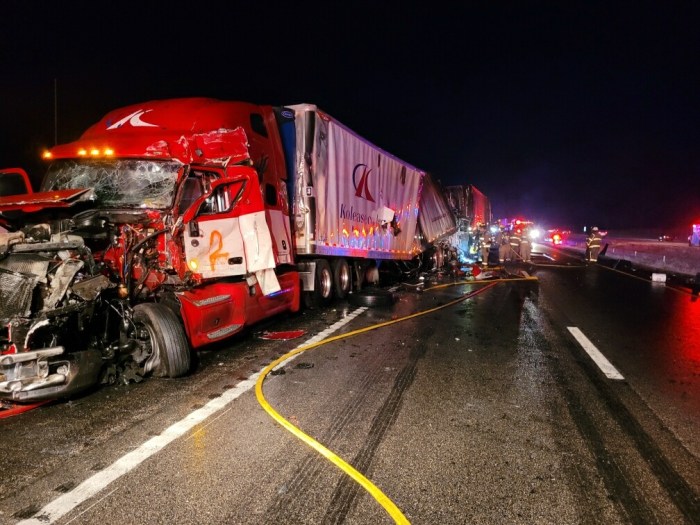
Underride accidents involving tractor-trailers can have devastating consequences, leading to severe injuries and fatalities. However, technological advancements have been made to prevent such accidents and improve safety on the roads.
Advanced Safety Features
Innovative safety features such as rear underride guards, side underride guards, and front override guards have been developed to mitigate underride risks. Rear underride guards are designed to prevent smaller vehicles from sliding underneath the trailer during a collision, reducing the impact on occupants in the car.
Side underride guards provide additional protection by preventing cars from sliding underneath the trailer from the side. Front override guards are aimed at preventing override accidents where a vehicle collides with the rear of a trailer, reducing the risk of underride accidents.
Automation and AI in Transportation Safety
Automation and artificial intelligence (AI) play a crucial role in improving safety in the transportation industry. Advanced driver-assistance systems (ADAS) and autonomous technologies can help prevent underride accidents by providing real-time alerts to drivers, automatically applying brakes in emergency situations, and even taking control of the vehicle to avoid collisions.
AI algorithms can analyze traffic patterns, predict potential risks, and assist drivers in making safer decisions on the road.
Last Word
In conclusion, Tractor-Trailer Underride Accidents: Seeking Justice for Catastrophic Injuries underscores the urgent need for improved safety measures and legal protections in the face of such devastating incidents. By raising awareness and advocating for change, we can work towards a future where these accidents are minimized, and justice is served for all those affected.
Expert Answers
What should I do if I am involved in a tractor-trailer underride accident?
If you are involved in such an accident, seek medical help immediately and contact legal authorities to understand your rights and options for seeking compensation.
Are there specific safety regulations in place to prevent tractor-trailer underride accidents?
Yes, there are safety regulations that mandate certain safety features on tractor-trailers to prevent underride accidents, but enforcement and compliance can vary.
How can families of victims impacted by these accidents find support?
Families can seek support from counseling services, victim advocacy organizations, and legal professionals specializing in personal injury cases to navigate the complexities of such incidents.