
Exploring the intricate world of legal representation in the aftermath of chemical plant explosions brings to light the crucial role of a Chemical Plant Explosion Lawyer Texas. Delve into the complexities of this field and uncover the nuances that shape legal outcomes.
In this detailed overview, we will dissect the causes, consequences, legal implications, and the pivotal role of lawyers in cases involving chemical plant explosions in Texas.
Understanding Chemical Plant Explosions
Chemical plant explosions are often caused by a combination of factors that lead to a sudden release of energy. These explosions can have devastating consequences and understanding their causes is crucial for prevention and response.
Causes of Chemical Plant Explosions
- Poor maintenance of equipment and facilities can lead to leaks or malfunctions that create a volatile environment.
- Human error, such as improper handling of chemicals or failure to follow safety protocols, can also trigger explosions.
- Chemical reactions, especially when different substances are mixed accidentally or under high pressure, can result in explosive reactions.
Consequences of Chemical Plant Explosions
The typical consequences of chemical plant explosions include:
- Loss of life and injuries to workers and nearby residents.
- Environmental contamination and long-term health effects from exposure to toxic chemicals.
- Destruction of property and infrastructure, leading to economic losses for the community.
Factors Contributing to Severity of Explosions
- The types and quantities of chemicals involved in the explosion can determine the scale and intensity of the blast.
- Proximity to residential areas or other facilities can increase the risk of casualties and property damage.
- Weather conditions, such as wind direction and temperature, can affect the spread of toxic fumes and fire after an explosion.
Legal Implications for Chemical Plant Explosions
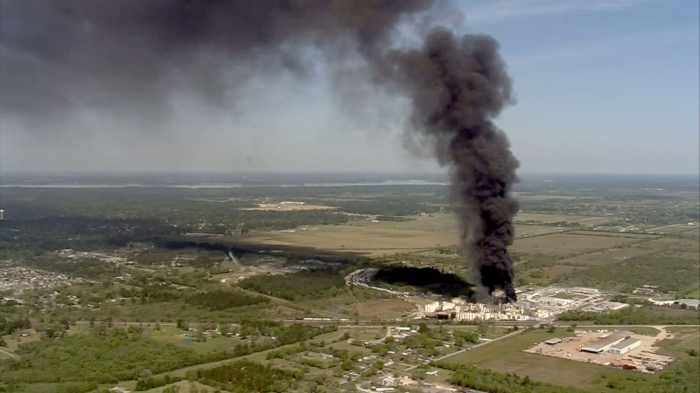
When it comes to chemical plant explosions in Texas, there are significant legal implications that come into play. The state has specific laws and regulations in place to govern these incidents, ensuring accountability and justice for those affected.
Legal Framework in Texas
In Texas, the legal framework governing chemical plant explosions is primarily based on state regulations and statutes. The Texas Health and Safety Code, as well as environmental and workplace safety laws, Artikel the responsibilities of companies operating chemical plants to prevent such disasters.
Examples of Past Cases
- In 2019, the TPC Group chemical plant explosion in Port Neches, Texas, resulted in multiple injuries and widespread damage to surrounding properties. Investigations revealed safety violations and negligence on the part of the company.
- The 2013 West Fertilizer Company explosion in West, Texas, caused extensive destruction and casualties. The incident highlighted the importance of proper storage and handling of hazardous materials in chemical plants.
Potential Liabilities of Companies
Companies involved in chemical plant explosions in Texas can face various liabilities, including legal claims for personal injury, property damage, and environmental harm. They may be held accountable for negligence, inadequate safety measures, or violations of regulations, leading to substantial financial penalties and reputational damage.
Role of a Chemical Plant Explosion Lawyer
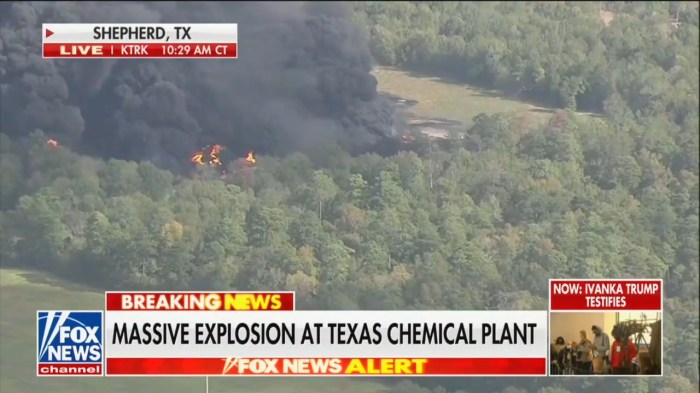
When it comes to representing victims of chemical plant explosions, the role of a lawyer is crucial in seeking justice and compensation for those affected by the incident. These legal professionals have specific responsibilities and face various challenges in handling such cases.
Responsibilities of a Chemical Plant Explosion Lawyer
- Investigating the cause of the explosion: A lawyer must conduct a thorough investigation to determine the root cause of the chemical plant explosion.
- Assessing liability: It is essential for the lawyer to identify the parties responsible for the explosion, whether it be the plant owner, contractors, or other entities.
- Representing victims: The lawyer must advocate for the rights of the victims, ensuring they receive fair compensation for their injuries, damages, and losses.
- Negotiating settlements: Lawyers often engage in negotiations with insurance companies or the defendants to secure a settlement that adequately compensates the victims.
Process of Filing a Lawsuit after a Chemical Plant Explosion
- Gather evidence: The lawyer begins by collecting evidence, such as witness statements, expert testimonies, and documentation related to the explosion.
- Prepare legal documents: Legal paperwork, including complaints, petitions, and motions, are filed with the court to initiate the lawsuit.
- Discovery phase: Both parties exchange information and evidence to build their cases, which may involve depositions and interrogatories.
- Trial or settlement: The case may proceed to trial, where the lawyer presents arguments in court, or a settlement may be reached outside of court.
Challenges Faced by Lawyers Handling Chemical Plant Explosion Cases
- Complexity of the cases: Chemical plant explosion cases involve intricate technical details and multiple liable parties, making them challenging to navigate.
- Proving causation: Establishing a direct link between the negligence or misconduct of the defendants and the explosion can be difficult and requires expert analysis.
- Emotional toll: Dealing with the aftermath of a catastrophic event like a chemical plant explosion can be emotionally draining for lawyers and their clients.
- Pressure from opposing parties: Defendants and their legal teams may exert pressure to settle quickly or reduce the compensation amount, adding to the stress faced by the lawyer.
Compensation and Damages
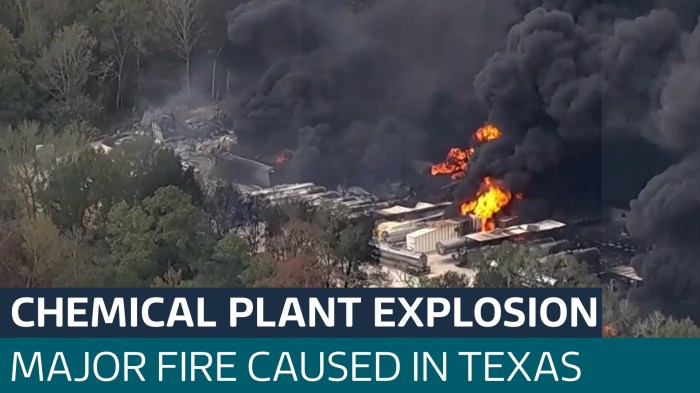
After a chemical plant explosion, victims may be entitled to various types of compensation to help them recover from their losses and injuries. The amount of compensation awarded in such cases is determined by several factors, and there are legal avenues available for seeking damages.
Types of Compensation Available
- Medical Expenses: Victims can seek compensation for past and future medical bills related to injuries sustained in the explosion.
- Lost Wages: Compensation may cover the income lost due to inability to work after the incident.
- Pain and Suffering: Victims can receive compensation for physical pain and emotional distress caused by the explosion.
- Property Damage: Damages related to property loss or damage can be compensated.
Factors Affecting Compensation Amount
- Severity of Injuries: The extent of injuries suffered by the victim plays a significant role in determining the compensation amount.
- Negligence: If the explosion was caused by negligence on the part of the plant owner or operator, the compensation amount may increase.
- Loss of Income: The impact of the explosion on the victim’s ability to earn a living is considered when determining compensation.
- Emotional Distress: Compensation may be higher for victims who have experienced significant emotional trauma due to the incident.
Legal Avenues for Seeking Damages
- Lawsuits: Victims can file lawsuits against the responsible parties to seek compensation for their losses.
- Insurance Claims: Victims can also pursue compensation through insurance claims, depending on the insurance coverage available.
- Settlement Negotiations: In some cases, victims and the at-fault party may reach a settlement outside of court to resolve the issue.
Final Conclusion
As we conclude this discussion, the significance of seeking legal recourse after a chemical plant explosion becomes evident. Navigating the legal landscape with the guidance of a skilled lawyer is paramount in securing justice and rightful compensation for victims.
Key Questions Answered
What are the common causes of chemical plant explosions?
Common causes include human error, equipment malfunction, and inadequate safety measures.
What types of compensation can victims of chemical plant explosions receive?
Victims can receive compensation for medical expenses, lost wages, pain and suffering, and punitive damages.
How do companies in Texas face potential liabilities in chemical plant explosion cases?
Companies can be held liable for negligence, failure to maintain safety standards, or defective equipment contributing to the explosion.