
Embarking on the exploration of AI Chatbot Negligence: The New Frontier of Mental Health Litigation, this introduction sets the stage for a deep dive into the implications and challenges surrounding this emerging issue.
Delving into the nuances of AI chatbot negligence within mental health litigation, this comprehensive overview aims to shed light on the complexities of this evolving landscape.
Introduction to AI Chatbot Negligence in Mental Health Litigation
AI chatbot negligence in mental health litigation refers to situations where artificial intelligence-powered chatbots designed to provide mental health support or counseling fail to deliver appropriate care or responses, leading to harm or negative outcomes for the users. These chatbots are programmed to interact with users and offer mental health advice or assistance based on pre-defined algorithms and data.
However, due to limitations in their programming or unforeseen circumstances, AI chatbots may exhibit negligence, resulting in potentially harmful consequences for individuals seeking support.
Potential Risks and Consequences
- Misdiagnosis: AI chatbots may misinterpret user responses or symptoms, leading to incorrect diagnoses and treatment recommendations.
- Lack of Empathy: Chatbots lack the human touch and emotional intelligence needed to provide genuine empathy and understanding to individuals in distress.
- Privacy Concerns: Users may disclose sensitive information to AI chatbots, raising concerns about data privacy and confidentiality.
Real-life Cases
- In 2018, a mental health chatbot named “Woebot” faced criticism for providing inappropriate responses to users experiencing severe distress, leading to legal action in some cases.
- A study in 2020 found that certain AI chatbots used in mental health settings failed to recognize suicidal ideation in users, highlighting the potential risks of negligence in automated mental health support systems.
Ethical Considerations in AI Chatbot Development
As developers continue to harness the power of AI technology to create chatbots for mental health purposes, ethical considerations play a crucial role in ensuring the safety and well-being of users. The responsibility of AI chatbot developers goes beyond just creating functional algorithms; they must also prioritize ethical standards to prevent negligence and harm to individuals seeking support and guidance.
Transparency and Accountability
In the realm of AI chatbot development for mental health, transparency and accountability are paramount. Developers must be transparent about the limitations of their chatbots, clearly stating that these tools are not meant to replace professional medical advice or treatment.
Users need to understand the boundaries of what an AI chatbot can provide and be directed to appropriate resources if their needs exceed the capabilities of the chatbot.
- It is essential for developers to disclose how user data is collected, stored, and used to maintain trust and protect user privacy.
- Accountability measures should be in place to address any errors or malfunctions in the AI chatbot that could potentially harm users.
- Regular monitoring and evaluation of the chatbot’s performance are necessary to ensure it is delivering accurate and helpful responses to users.
User Well-being and Safety
Prioritizing user well-being and safety should be at the core of AI chatbot development for mental health. Developers must design chatbots with safeguards in place to prevent harm to vulnerable users seeking support for their mental health concerns.
- Implementing appropriate screening processes to assess the user’s mental health condition and provide appropriate interventions or referrals when necessary.
- Incorporating features that promote self-care and coping strategies while also encouraging users to seek professional help when needed.
- Ensuring the chatbot’s responses are empathetic and non-judgmental to create a safe and supportive environment for users to express their emotions.
Impact on Mental Health Patients
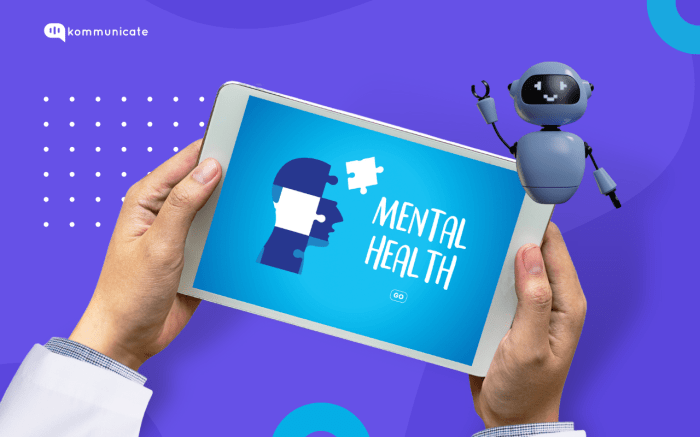
AI chatbot negligence can have profound effects on the mental health of patients who rely on these systems for support. When AI chatbots fail to provide accurate or appropriate responses, patients may experience increased anxiety, frustration, and a sense of isolation.
Emotional and Psychological Implications
Patients seeking mental health support from AI chatbots may already be in a vulnerable state, looking for guidance and reassurance. When faced with negligence, these individuals can experience a range of negative emotions, including distrust, disappointment, and a worsening of their mental health condition.
Trust Dynamics
The relationship between patients and AI chatbots is built on trust. Patients confide in these systems with their deepest thoughts and feelings, expecting empathy and understanding in return. When AI chatbots demonstrate negligence, this trust is shattered, leading to feelings of betrayal and reluctance to seek help from similar platforms in the future.
Legal Implications and Challenges
AI chatbot negligence in mental health litigation raises complex legal issues that require careful consideration. The legal framework surrounding AI chatbot malpractice is still evolving, creating challenges for legal systems to hold developers accountable for any negligence that may harm patients.
Let’s delve deeper into the legal implications and challenges in this emerging field.
Legal Framework for AI Chatbot Negligence
The legal framework for AI chatbot negligence in mental health settings is not clearly defined in many jurisdictions. Traditional laws may not adequately address the unique challenges presented by AI technologies. It can be challenging to determine who should be held liable in cases of AI chatbot malpractice – the developer, the healthcare provider, or the AI itself.
As a result, legal systems are struggling to adapt and establish clear guidelines to address these issues effectively.
- Developing new laws and regulations
- Defining the responsibilities of developers and healthcare providers
- Establishing standards for AI chatbot performance and accountability
Challenges in Holding Developers Accountable
One of the primary challenges in AI chatbot negligence cases is attributing liability to developers. Unlike traditional medical malpractice where human healthcare providers are held accountable, AI chatbots introduce a layer of complexity. Proving negligence in AI systems, which operate based on algorithms and data, can be difficult.
Developers may argue that the AI acted autonomously or that the error was unforeseeable. This challenges legal systems to find ways to hold developers accountable for the actions of their AI chatbots.
- Proving causation in AI malpractice cases
- Establishing the standard of care for AI chatbots
- Addressing issues of transparency and accountability in AI development
Evolution of Laws and Regulations
To address the challenges posed by AI chatbot negligence, laws and regulations are continuously evolving. Legal frameworks are being updated to incorporate specific provisions related to AI technologies and their impact on healthcare. This evolution aims to provide clarity on liability, standards of care, and accountability in cases of AI malpractice.
As AI continues to advance, legal systems must adapt to ensure the protection of patients and the accountability of developers.
- Integrating AI-specific regulations into existing legal frameworks
- Collaborating with experts in AI and healthcare law to develop comprehensive guidelines
- Monitoring and updating regulations to keep pace with technological advancements
End of Discussion
Concluding our discussion on AI Chatbot Negligence: The New Frontier of Mental Health Litigation, it is evident that the intersection of artificial intelligence and mental health law presents a myriad of ethical, legal, and practical considerations that require careful examination moving forward.
Quick FAQs
What is AI chatbot negligence?
AI chatbot negligence refers to instances where AI chatbots designed for mental health support fail to provide appropriate care, leading to harm or adverse outcomes for users.
How can AI chatbot negligence impact mental health patients?
AI chatbot negligence can have detrimental effects on the mental health of patients, potentially exacerbating existing conditions or creating new challenges in their treatment journey.
What are the legal implications of AI chatbot negligence?
The legal implications of AI chatbot negligence involve complex considerations around liability, accountability, and the evolving nature of laws and regulations in this domain.