
Exploring the intersection of data privacy breaches and personal injury, this article delves into the intriguing question of whether individuals can seek legal recourse for emotional distress caused by such breaches. With a blend of informative insights and real-world examples, readers are invited into a thought-provoking discussion on this pressing issue.
The following paragraphs will provide a comprehensive analysis of the legal aspects, challenges, and compensation options related to emotional distress in cases of data breaches.
Data Privacy Breaches and Emotional Distress
Data privacy breaches have become a significant concern in the digital age, with the potential to cause emotional distress to individuals whose personal information is compromised. When sensitive data is exposed without consent, it can lead to feelings of violation, vulnerability, anxiety, and even trauma for the affected individuals.
Examples of Emotional Harm from Personal Data Leaks
- Identity theft: When personal data such as social security numbers, credit card details, or addresses are leaked, individuals may experience fear and stress over potential financial losses and damage to their reputation.
- Stalking and harassment: If personal information like home addresses or contact numbers are exposed, individuals may face the threat of stalking or harassment, leading to heightened anxiety and fear for their safety.
- Medical data breaches: When sensitive health information is compromised, individuals may feel violated and vulnerable, especially if the leaked data pertains to mental health conditions or other sensitive medical issues.
Psychological Impact of Data Breaches on Individuals
Data breaches can have a profound psychological impact on individuals, causing emotional distress that may manifest in various ways. Some common psychological effects of data breaches include:
- Anxiety and stress: The fear of potential consequences from the data leak can lead to increased levels of anxiety and stress, affecting an individual’s mental well-being.
- Loss of trust: Data breaches can erode trust in institutions or companies responsible for safeguarding personal information, leading to feelings of betrayal and insecurity.
- Depression: Prolonged distress from a data breach can contribute to feelings of helplessness, isolation, and depression, impacting an individual’s overall quality of life.
Legal Aspects of Personal Injury Due to Data Breaches
When it comes to personal injury claims resulting from data breaches, there is a specific legal framework that governs how individuals can seek compensation for damages. In the digital age where data privacy is a growing concern, it is crucial to understand the laws and regulations that protect individuals’ personal information.
Relevant Laws and Regulations
Various laws and regulations have been enacted to safeguard individuals’ data privacy and hold entities accountable for any breaches that may occur. One prominent regulation is the General Data Protection Regulation (GDPR) in the European Union, which sets strict guidelines for how companies must handle personal data.
- The GDPR requires organizations to implement robust security measures to protect personal data and notify individuals of any breaches promptly.
- In the United States, laws such as the Health Insurance Portability and Accountability Act (HIPAA) and the California Consumer Privacy Act (CCPA) also provide protections for individuals’ data privacy.
Court Rulings on Emotional Distress Claims
When it comes to emotional distress claims related to data breaches, courts have been divided on whether individuals can sue for such damages. Some courts have allowed emotional distress claims to proceed if the breach resulted in significant harm to the individual’s mental well-being.
For example, in the case of In re Zappos.com, Inc., Customer Data Security Breach Litigation, the court allowed plaintiffs to pursue emotional distress claims due to a data breach that exposed their personal information.
- However, other courts have set a high bar for proving emotional distress in data breach cases, requiring plaintiffs to demonstrate a direct link between the breach and their emotional suffering.
- Overall, the legal landscape surrounding emotional distress claims stemming from data breaches is evolving, with courts grappling with the complexities of assessing and compensating for intangible harms.
Establishing Emotional Distress in Data Breach Cases
When it comes to proving emotional distress in lawsuits related to data breaches, there are specific criteria that need to be met in order to successfully make a claim. Emotional distress can be a challenging aspect to prove in legal cases, but with the right evidence and documentation, it is possible to demonstrate the impact of a data breach on an individual’s mental well-being.
Criteria for Proving Emotional Distress
One of the key criteria for proving emotional distress in data breach cases is demonstrating a direct link between the breach and the psychological harm suffered by the individual.
- Evidence of anxiety, fear, or depression resulting from the breach.
- Testimony from mental health professionals supporting the emotional impact.
- Documentation of any physical symptoms related to the emotional distress.
Examples of Evidence Supporting Emotional Harm
Examples of evidence that can support claims of emotional harm in data breach cases include:
- Records of therapy sessions or counseling related to the breach.
- Statements from friends or family members noticing changes in behavior post-breach.
- Surveys or questionnaires assessing the individual’s mental state before and after the breach.
Challenges of Quantifying Emotional Distress
Quantifying emotional distress in legal cases can be challenging due to the subjective nature of psychological harm.
- Determining a monetary value for intangible emotional suffering.
- Proving the severity and duration of the emotional distress.
- Addressing skepticism from defendants or the court regarding the legitimacy of emotional harm claims.
Compensation for Emotional Distress in Data Breach Lawsuits
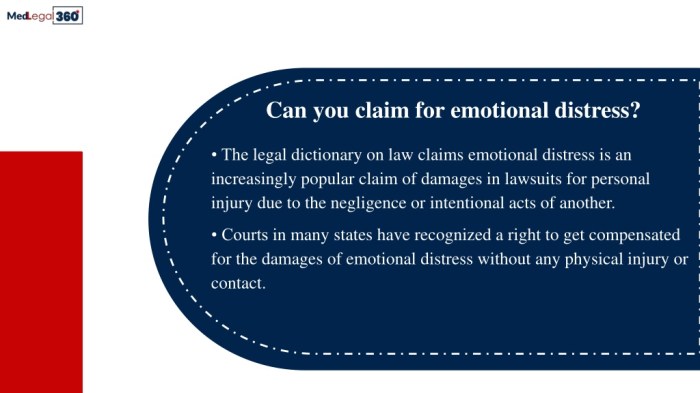
When it comes to data breach lawsuits, emotional distress is a common consequence that victims may face. In these cases, compensation for emotional harm becomes a crucial aspect of seeking justice for the impact of the breach on an individual’s mental well-being.
Types of Compensation Available for Emotional Distress in Data Breach Cases
- General Damages: These are non-specific damages that account for the intangible harm caused by emotional distress, such as anxiety, fear, humiliation, or loss of sleep.
- Special Damages: These are specific damages that can be quantified, such as medical expenses for therapy or counseling to address the emotional impact of the data breach.
- Punitive Damages: In some cases, punitive damages may be awarded to punish the defendant for their negligence or misconduct that led to the data breach.
Approaches of Different Jurisdictions in Awarding Damages for Emotional Harm
- Some jurisdictions have specific laws that Artikel the criteria for awarding emotional distress damages in data breach cases, while others rely on precedents set by previous court decisions.
- Factors such as the severity of the emotional distress, the duration of the distress, and any physical manifestations of the distress may influence the amount of compensation awarded.
- Some jurisdictions have caps on the amount of emotional distress damages that can be awarded, while others allow for more discretion in determining the appropriate compensation.
Role of Legal Professionals in Advocating for Emotional Distress Compensation
- Legal professionals play a critical role in advocating for emotional distress compensation on behalf of data breach victims, ensuring that their clients receive fair and just compensation for the harm they have suffered.
- Lawyers gather evidence, consult with mental health experts, and present a compelling case to demonstrate the extent of the emotional distress experienced by the victim as a result of the data breach.
- Legal professionals also negotiate with the defendant or their insurance company to secure an appropriate settlement that includes compensation for emotional distress, taking into account the unique circumstances of each case.
Final Review
In conclusion, the complexities of emotional distress claims in data breach cases underscore the need for robust legal protections and remedies for affected individuals. As technology continues to evolve, the importance of safeguarding personal data and addressing emotional harm remains paramount in ensuring justice and accountability.
Essential FAQs
Can emotional distress be legally compensated in data breach cases?
Yes, depending on the jurisdiction and circumstances, individuals may be able to seek compensation for emotional distress resulting from data breaches.
What types of evidence can support claims of emotional harm in data breach lawsuits?
Evidence such as psychological evaluations, medical records documenting stress-related symptoms, and testimonies from mental health professionals can help substantiate emotional distress claims.
Are there specific laws that protect individuals’ data privacy in the context of data breaches?
Yes, various laws like the GDPR in Europe and the CCPA in California offer legal protections for individuals whose data has been compromised in breaches.