Beginning with Beyond Workers’ Comp: When You Can Sue a Third Party for Jobsite Injuries, the narrative unfolds in a compelling and distinctive manner, drawing readers into a story that promises to be both engaging and uniquely memorable.
In the following paragraphs, we will delve into the details surrounding third-party liability in jobsite injuries, exploring various aspects that are crucial to understanding when legal action beyond workers’ comp might be necessary.
Overview of Third-Party Liability in Jobsite Injuries
In the context of jobsite injuries, third-party liability refers to the legal responsibility of parties other than the employer for accidents or injuries sustained by workers. This means that if a worker is injured on the job due to the negligence or wrongdoing of someone other than their employer, they may have the right to seek compensation through a third-party claim.
Examples of Third Parties Liable for Injuries
- Contractors or subcontractors working on the same jobsite as the injured worker
- Manufacturers of faulty equipment or machinery that caused the injury
- Property owners or tenants where the injury occurred
- Drivers of vehicles involved in work-related accidents
Significance of Distinguishing Between Workers’ Comp Claims and Third-Party Claims
- Workers’ comp claims provide benefits to injured workers regardless of fault, but the compensation may be limited.
- Third-party claims allow injured workers to pursue additional compensation for damages such as pain and suffering, lost wages, and medical expenses.
- By identifying potential third parties responsible for the injury, injured workers can maximize their recovery and hold all negligent parties accountable.
Factors Determining Third-Party Liability
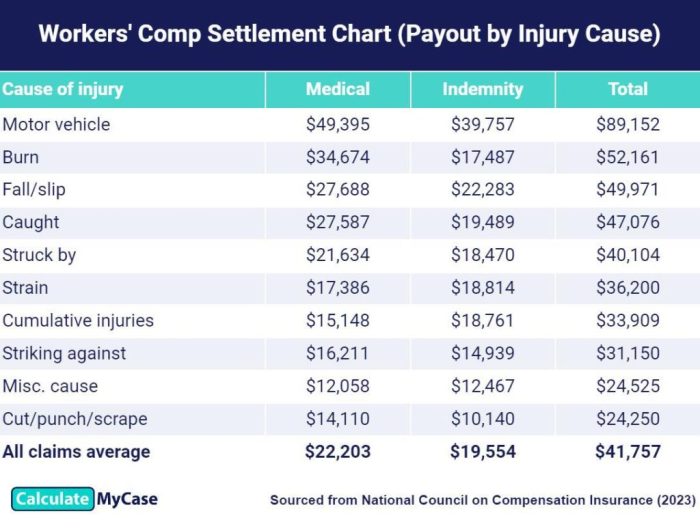
When it comes to determining third-party liability for a jobsite injury, several factors come into play. These factors help establish whether a third party can be held accountable for the harm caused to a worker.
Criteria for Establishing Liability
- Proximity to the Accident: One key factor is the proximity of the third party to the accident. If their actions or negligence directly contributed to the injury, they may be held liable.
- Duty of Care: The third party must owe a duty of care to the injured worker. This duty can vary depending on the relationship between the parties and the specific circumstances of the injury.
- Control Over the Worksite: If the third party had control over the worksite where the injury occurred, they may be held responsible for ensuring a safe environment for workers.
Comparison to Workers’ Comp Claims
- In workers’ comp claims, the injured worker does not need to prove fault or negligence to receive benefits. However, in third-party liability cases, fault must be established to hold the third party accountable.
- Workers’ comp provides a no-fault system for injured workers, while third-party claims require demonstrating that the third party’s actions or inactions directly led to the injury.
Establishing Negligence, Liability, and Causation
- Negligence: In third-party liability cases, negligence must be proven by showing that the third party breached their duty of care, leading to the worker’s injury.
- Liability: The injured worker must demonstrate that the third party’s breach of duty directly caused the harm suffered, making them legally responsible for the damages.
- Causation: Establishing a direct link between the third party’s actions and the worker’s injury is crucial in determining liability. The injury must have been a foreseeable consequence of the third party’s negligence.
Types of Third-Party Claims in Jobsite Injuries
When it comes to jobsite injuries, various types of third-party claims can arise, holding different parties accountable for the harm caused. Let’s explore some scenarios where subcontractors, equipment manufacturers, or property owners may be liable for injuries sustained at a worksite.
Subcontractors
Subcontractors play a crucial role in many construction projects. In cases where a subcontractor’s negligence leads to an injury, they can be held accountable. For example, if a subcontractor fails to follow safety protocols or provides faulty equipment that results in harm to a worker, they may be liable for damages.
Equipment Manufacturers
Equipment manufacturers can also be held responsible for jobsite injuries if their products are defective and cause harm to workers. For instance, if a worker is injured due to a malfunctioning power tool or machinery, the manufacturer of that equipment could be held accountable for the resulting injuries under product liability laws.
Property Owners
Property owners have a duty to maintain a safe environment for workers on their premises. If a property owner fails to address hazardous conditions or neglects necessary repairs that lead to an injury, they could be held liable for the damages suffered by the worker.
This may include slip and fall accidents, structural defects, or inadequate security measures that result in harm to employees.
Legal Procedures and Challenges in Third-Party Lawsuits
When it comes to filing a third-party lawsuit for a jobsite injury, there are specific legal procedures that need to be followed. These procedures can vary depending on the jurisdiction and the nature of the injury.
Legal Process in Filing a Third-Party Lawsuit
- Initiating the lawsuit by filing a complaint in court against the third party responsible for the injury.
- Gathering evidence to support the claim, including medical records, witness statements, and expert testimonies.
- Negotiating with the third party or their insurance company for a settlement.
- If no settlement is reached, proceeding to trial to argue the case before a judge or jury.
Challenges and Complexities in Third-Party Litigation
- Proving the liability of the third party can be challenging, especially if there are multiple parties involved in the job site.
- Establishing the extent of damages and the financial compensation owed to the injured worker can also be complex.
- Navigating through the legal system and dealing with procedural requirements can be daunting without proper legal representation.
Importance of Legal Representation and Expert Testimonies
- Having an experienced personal injury attorney can greatly help in navigating the complexities of third-party lawsuits and ensuring the best possible outcome for the injured worker.
- Expert testimonies from medical professionals, accident reconstruction specialists, and other experts can provide crucial evidence to support the claim.
- Legal representation not only ensures that the injured worker’s rights are protected but also increases the chances of a successful outcome in the case.
Concluding Remarks
As we conclude our discussion on Beyond Workers’ Comp: When You Can Sue a Third Party for Jobsite Injuries, it becomes evident that navigating the complexities of third-party liability requires a nuanced approach and expert guidance to ensure just outcomes in cases of jobsite injuries.
Answers to Common Questions
Can I sue someone other than my employer for a jobsite injury?
Yes, if a third party such as a subcontractor or equipment manufacturer is responsible for your injuries, you can file a lawsuit against them.
What is the difference between workers’ comp claims and third-party claims?
Workers’ comp claims are limited to benefits provided by your employer’s insurance, while third-party claims involve suing a separate entity for negligence that led to your injury.
How can I establish liability in a third-party claim?
To prove liability in a third-party claim, you need to demonstrate that the third party was negligent and their actions directly caused your injuries.