Delving into Dredging Accident Lawsuits: Seeking Compensation for Inland Waterway Injuries, this introduction immerses readers in a unique and compelling narrative, with a casual formal language style that is both engaging and thought-provoking from the very first sentence.
Exploring the intricacies of dredging accidents, their causes, risks, and potential consequences sets the stage for understanding the legal landscape surrounding compensation claims for inland waterway injuries.
Introduction to Dredging Accidents
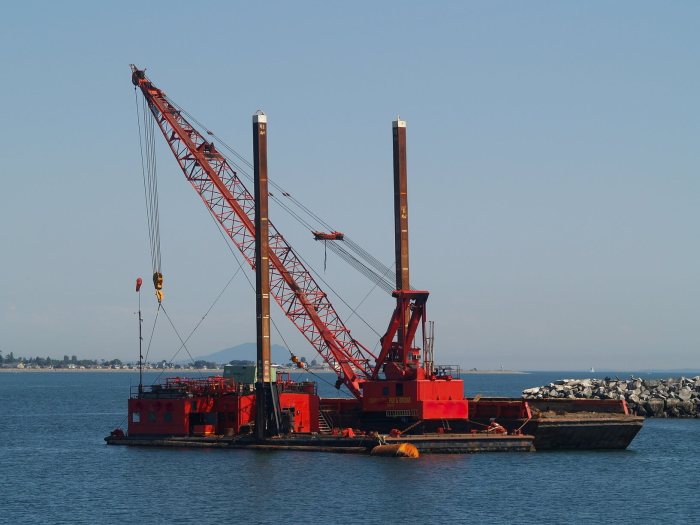
Dredging accidents refer to incidents that occur during the process of removing sediment or debris from bodies of water, such as rivers, lakes, or harbors. These accidents can lead to injuries, property damage, and even fatalities, highlighting the importance of safety protocols in dredging operations.
Common Causes of Dredging Accidents
- Equipment Malfunction: Issues with dredging equipment, such as pumps, pipes, or excavators, can result in accidents.
- Collisions: Dredging vessels colliding with other boats, structures, or underwater obstacles can lead to accidents.
- Human Error: Mistakes made by operators or crew members during dredging operations can cause accidents.
Potential Risks and Consequences
- Physical Injuries: Workers involved in dredging accidents may suffer from injuries ranging from minor cuts and bruises to more severe trauma.
- Environmental Damage: Spills of fuel, chemicals, or debris during dredging accidents can harm the ecosystem of the surrounding area.
- Legal Ramifications: Dredging accidents can result in lawsuits, fines, and other legal consequences for the parties involved.
Legal Aspects of Dredging Accident Lawsuits
When it comes to dredging accident lawsuits, there is a specific legal framework that governs how these cases are handled. Seeking compensation for injuries sustained in inland waterway accidents involves a detailed process that must be followed to ensure that victims receive the proper restitution.
Additionally, maritime law plays a crucial role in addressing dredging accident cases, providing guidelines and regulations that apply to accidents that occur on navigable waters.
The Legal Framework Surrounding Dredging Accident Lawsuits
- When a dredging accident occurs, the legal framework dictates the steps that must be taken to seek compensation for injuries and damages.
- Parties involved in dredging accidents, such as the injured individuals, dredging companies, and other relevant stakeholders, must adhere to maritime laws and regulations that govern such incidents.
- Legal experts specializing in maritime law play a key role in navigating the complexities of dredging accident lawsuits and ensuring that victims receive fair compensation for their injuries.
The Process of Seeking Compensation for Inland Waterway Injuries
- Victims of dredging accidents must first gather evidence of the incident, including medical records, witness statements, and any other relevant documentation to support their claims for compensation.
- After documenting the injuries sustained in the accident, victims can file a claim or lawsuit against the responsible parties, seeking financial restitution for medical expenses, lost wages, pain and suffering, and other damages.
- The legal process of seeking compensation for inland waterway injuries can be complex, requiring the expertise of legal professionals who are well-versed in maritime law and personal injury claims.
The Role of Maritime Law in Addressing Dredging Accident Cases
- Maritime law provides a comprehensive framework for addressing dredging accident cases that occur on navigable waters, ensuring that all parties involved are held accountable for their actions.
- Key aspects of maritime law, such as the Jones Act and the Longshore and Harbor Workers’ Compensation Act, offer protections and rights to individuals who are injured in dredging accidents while working on or near waterways.
- Legal professionals specializing in maritime law are instrumental in helping victims of dredging accidents navigate the legal system and secure the compensation they deserve for their injuries and losses.
Factors Influencing Compensation Claims
When it comes to seeking compensation for dredging accidents, there are several key factors that can greatly influence the outcome of a claim. From liability determinations to the types of damages that can be sought, understanding these factors is crucial for anyone involved in a dredging accident lawsuit.
Liability Determination
In cases of inland waterway injuries resulting from dredging accidents, liability is determined based on various factors. These may include the negligence of the parties involved, adherence to safety regulations, maintenance of equipment, and compliance with industry standards. The party or parties found to be at fault for the accident may be held liable for compensating the injured parties.
Types of Damages
In dredging accident lawsuits, different types of damages can be sought by the injured parties. These may include compensation for medical expenses, lost wages, pain and suffering, emotional distress, and in some cases, punitive damages. The amount of compensation awarded will depend on the specific circumstances of the case and the extent of the injuries suffered by the victims.
Case Studies and Precedents
Examining past dredging accident lawsuits can provide valuable insights into how legal decisions have influenced compensation claims in such cases.
Case Study 1: Deepwater Horizon Oil Spill
The Deepwater Horizon oil spill in 2010 resulted in a significant dredging accident lawsuit. The explosion of the oil rig led to extensive environmental damage and loss of life. The legal battle that followed set important precedents for liability in maritime accidents.
- The outcome of the case highlighted the importance of holding responsible parties accountable for negligence in dredging operations.
- The ruling emphasized the need for adequate compensation for victims and affected communities, shaping future claims in similar incidents.
Case Study 2: Suez Canal Blockage
Another notable case is the Suez Canal blockage incident in 2021, where a massive container ship became lodged in the waterway, disrupting global trade. The aftermath of this accident led to legal disputes over liability and compensation.
- The legal proceedings in this case focused on determining fault and allocating responsibility for the dredging accident, highlighting the complexities of such claims.
- Precedents set in this case influenced how compensation claims are approached in large-scale maritime accidents, shaping future legal actions.
Last Word
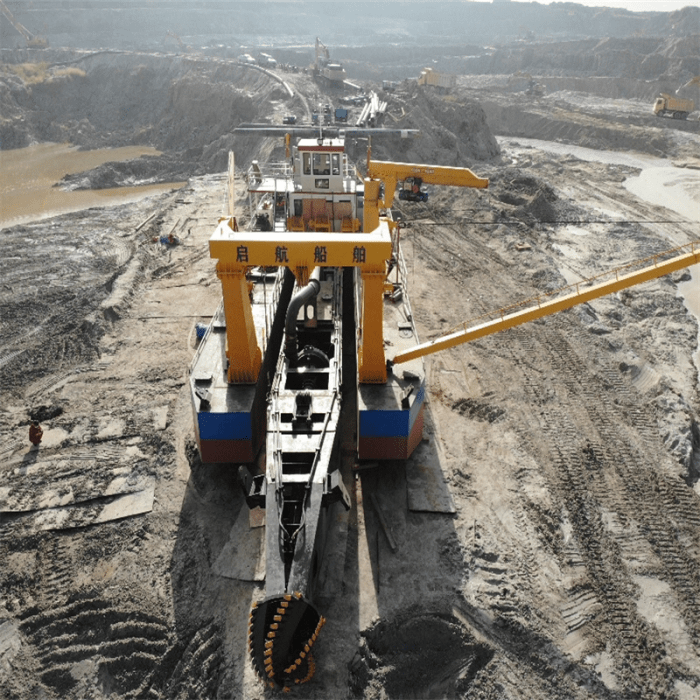
In conclusion, the journey through dredging accident lawsuits sheds light on the complexities of seeking compensation for inland waterway injuries. The interplay of legal frameworks, liability determinations, and past precedents underscores the importance of understanding one’s rights in such cases.
Common Queries
What are some common causes of dredging accidents?
Common causes include equipment malfunctions, human errors, unstable soil conditions, and inadequate safety protocols.
How is liability determined in cases of inland waterway injuries from dredging accidents?
Liability is often determined based on factors like negligence, adherence to safety regulations, and the duty of care owed to workers or individuals affected by the accident.
What types of damages can be sought in dredging accident lawsuits?
Damages sought may include medical expenses, lost wages, pain and suffering, rehabilitation costs, and punitive damages in certain cases.